WHIRLPOOL WASHING MACHINE PCB BOARD About
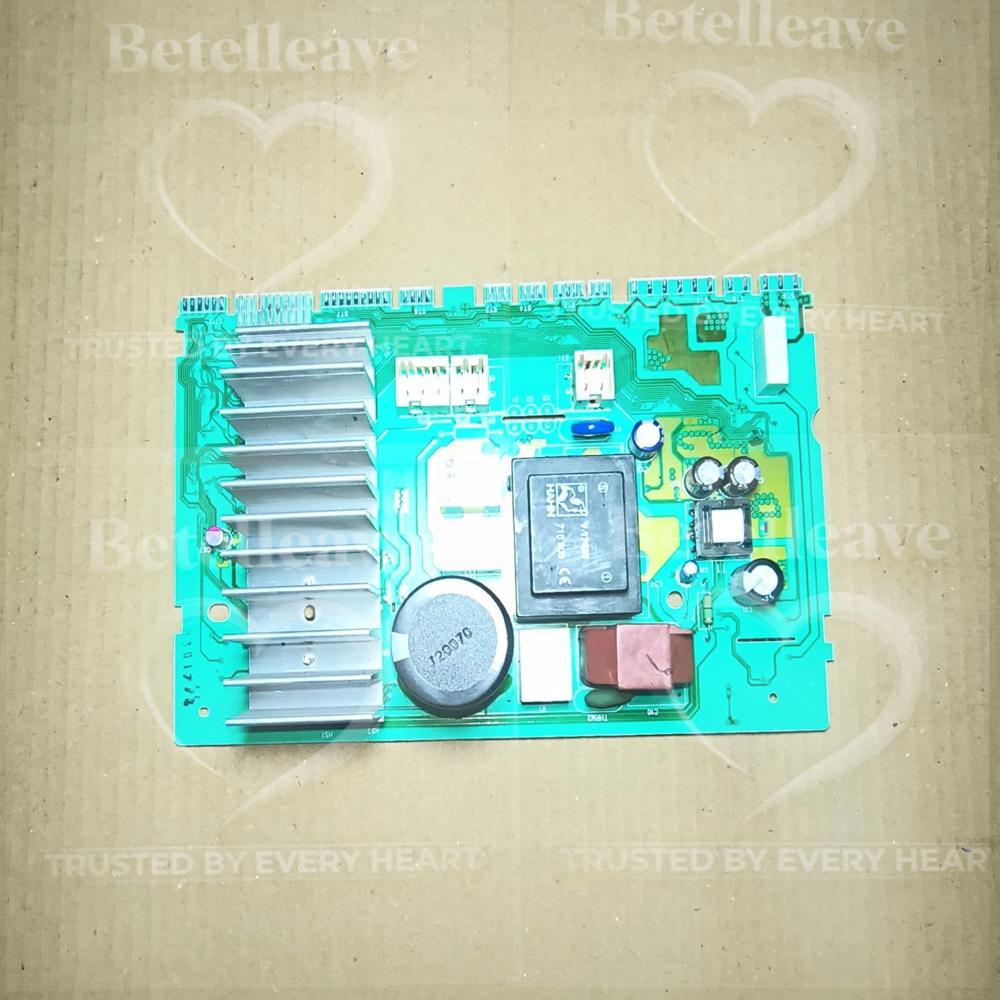
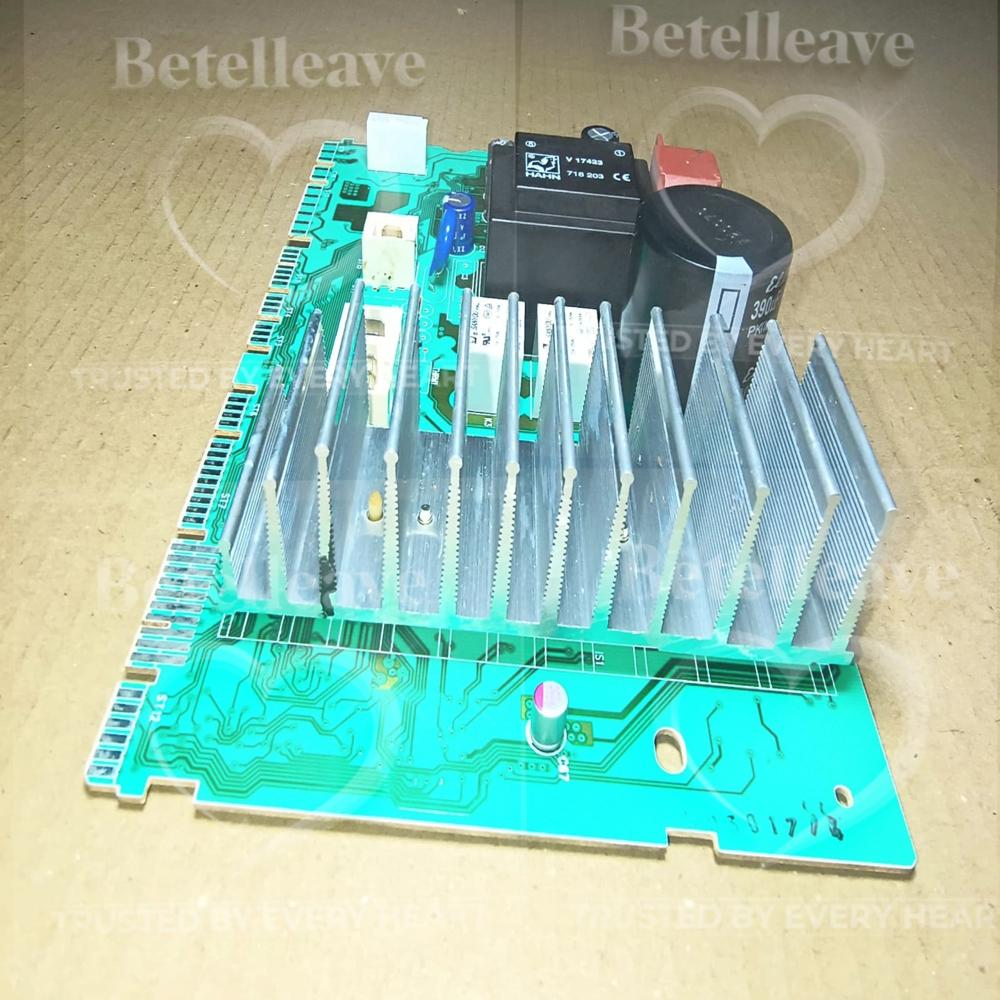
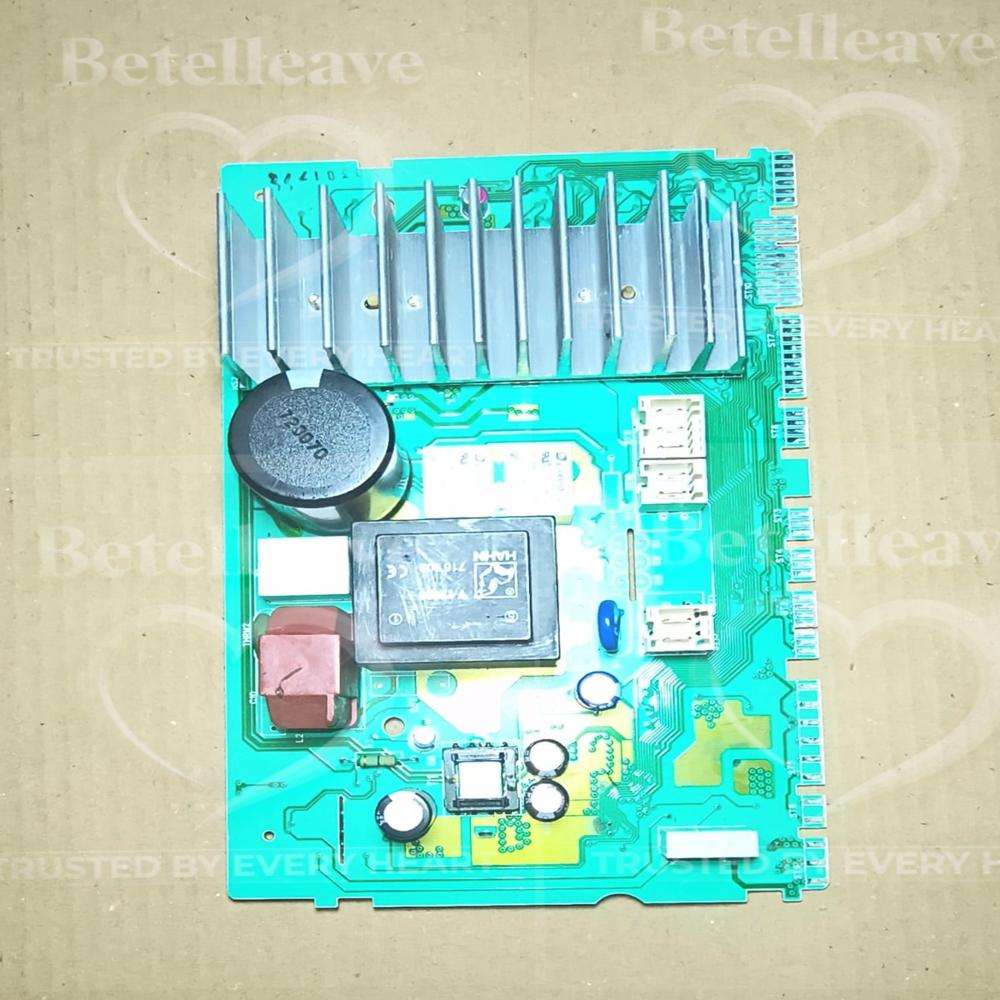
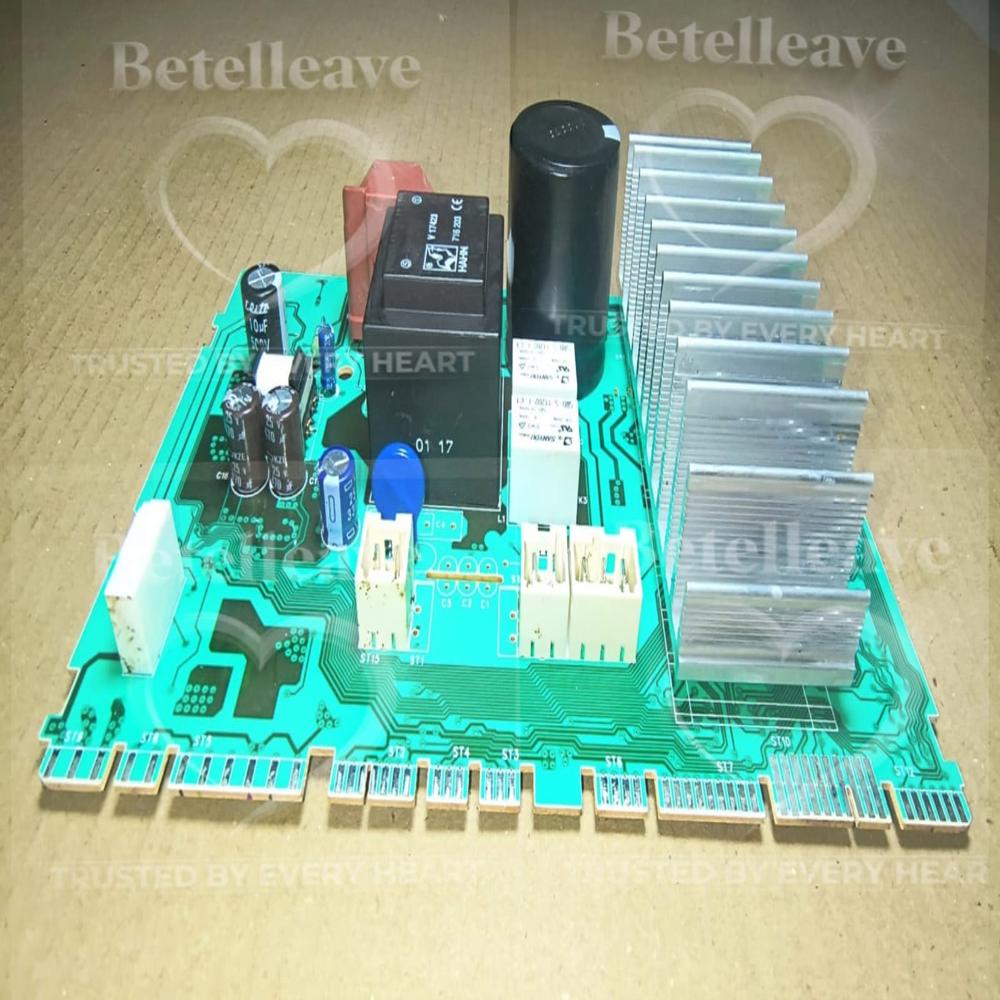
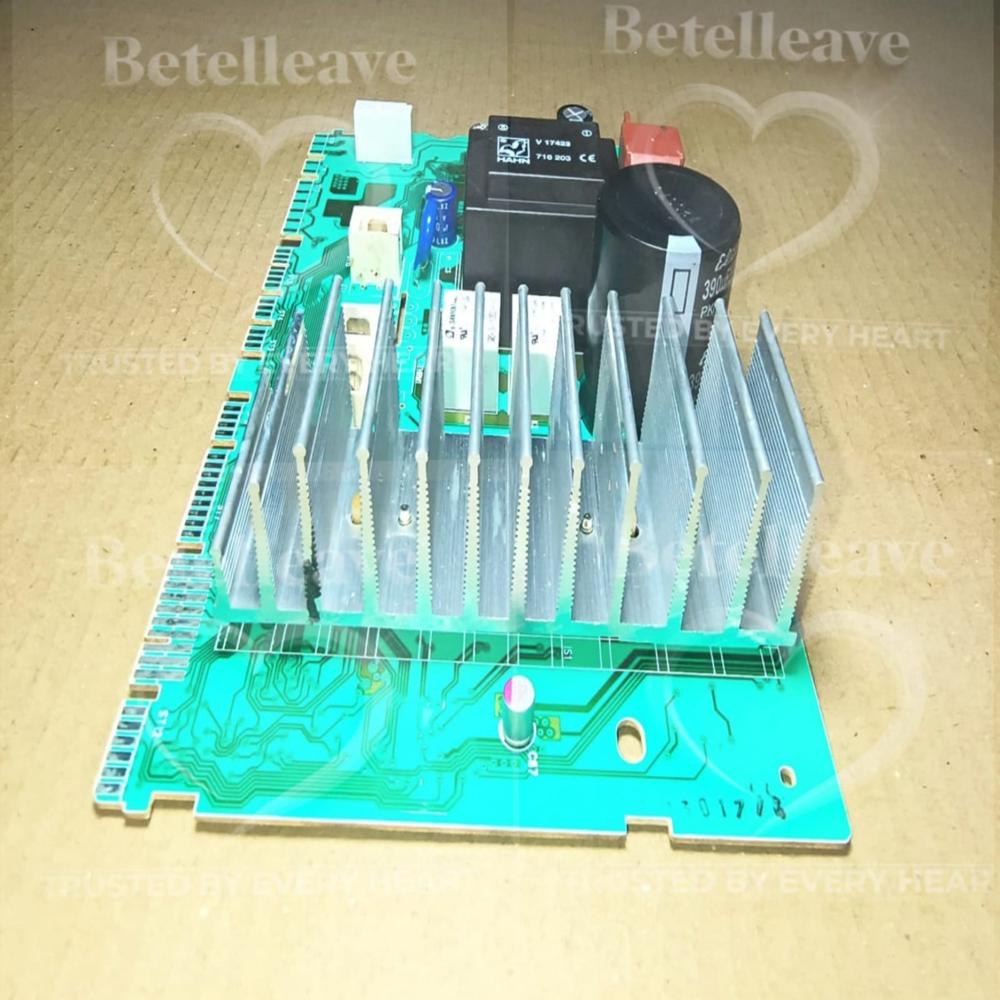
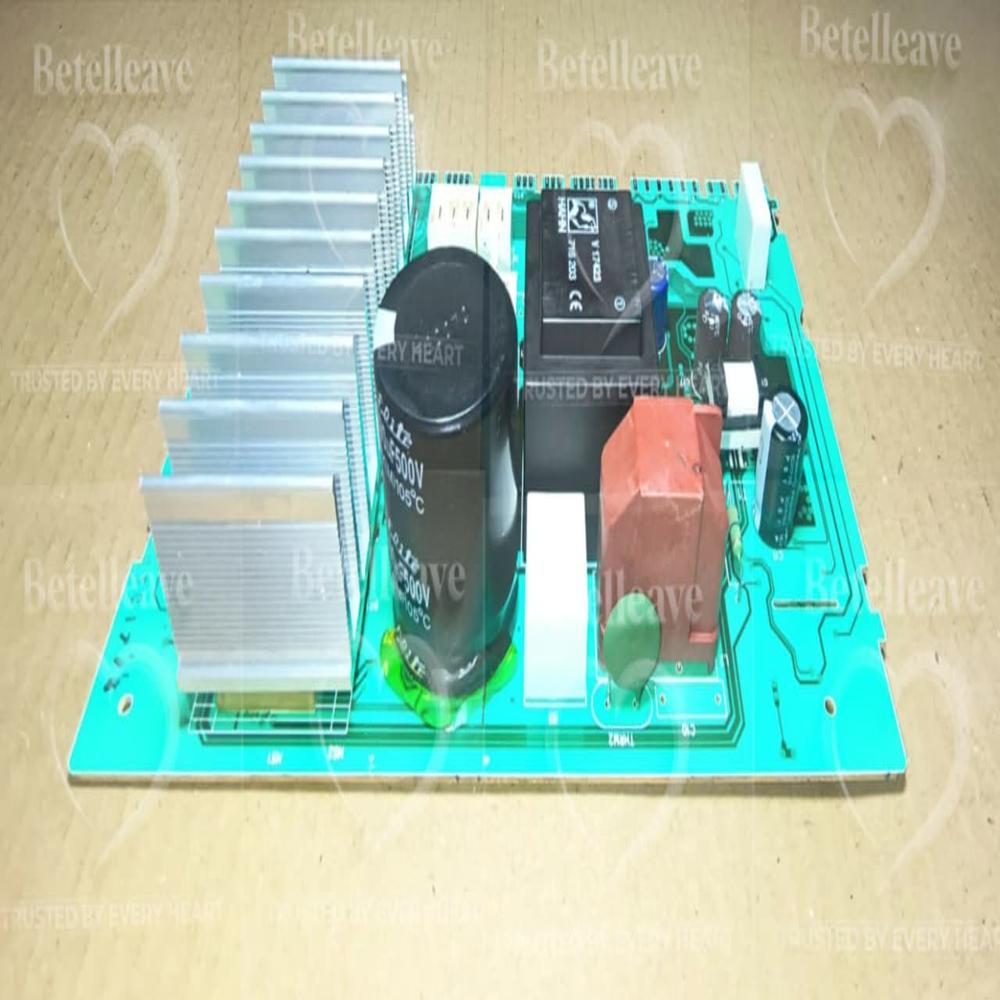
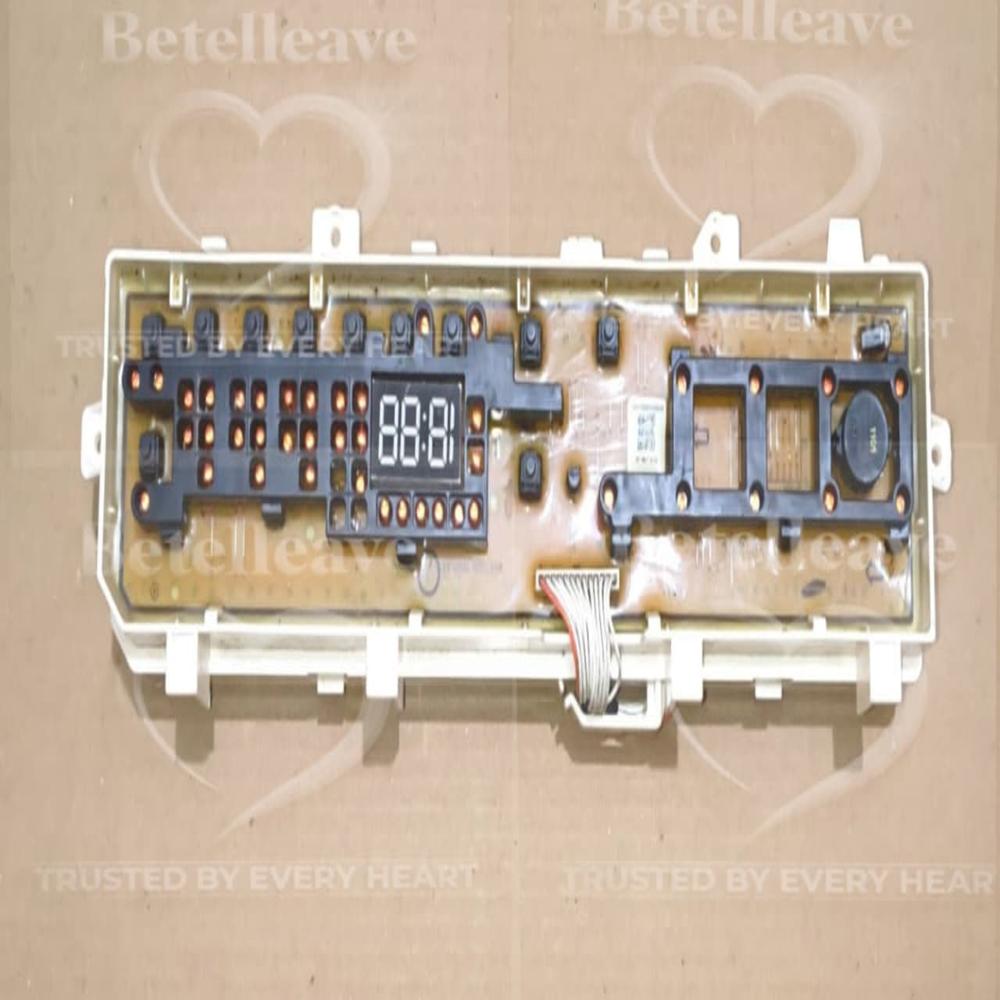
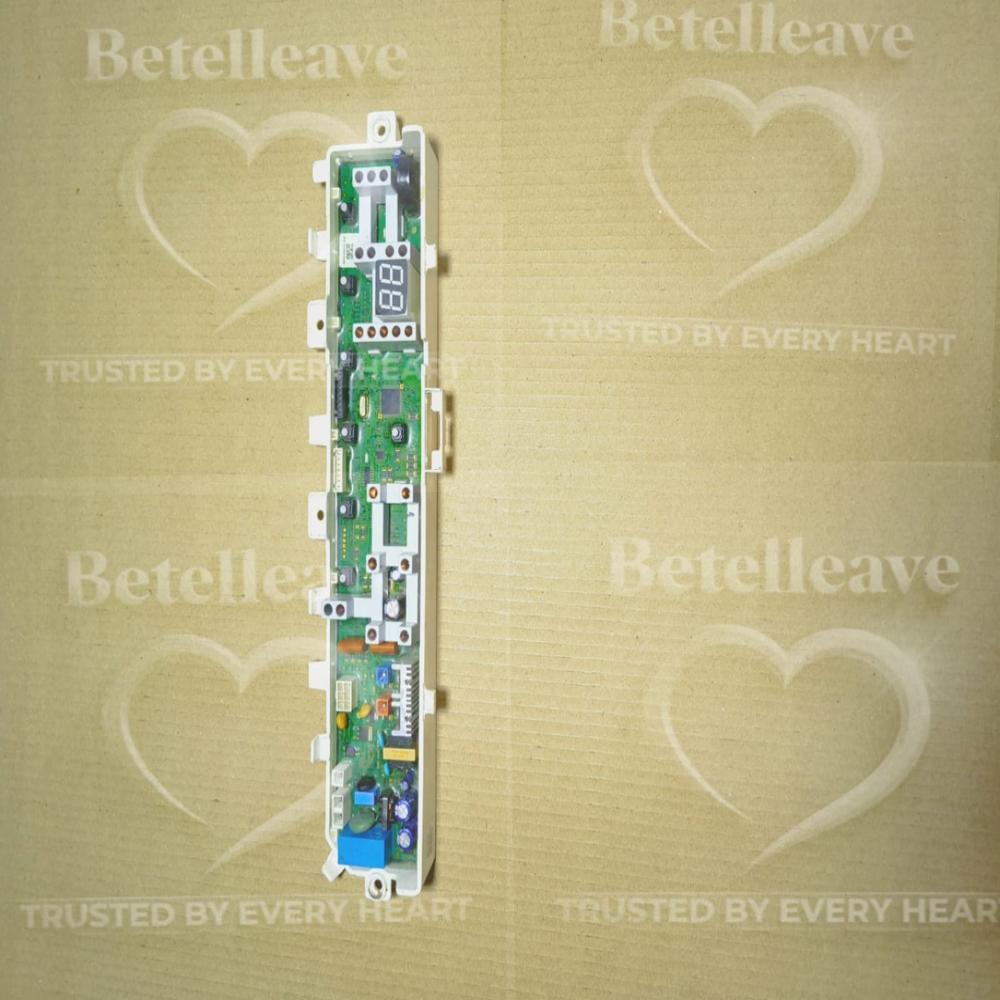
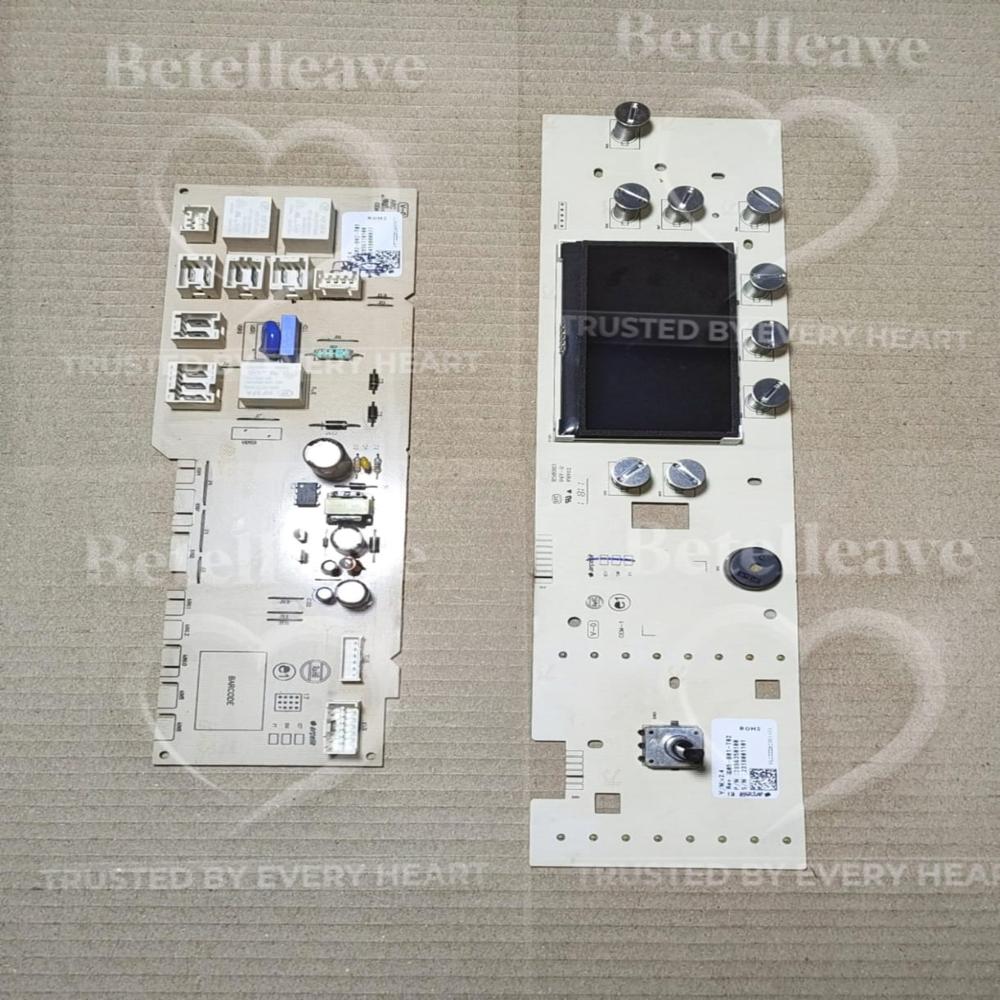
The PCB (Printed Circuit Board) in a Whirlpool washing machine is the main control system that manages all washing operations. It acts as the central processing unit (CPU) of the machine, ensuring smooth and automatic functioning.
Key Functions:
- Program Control:
Executes selected wash programs like normal, quick wash, heavy, delicate, etc.
- Motor Operation:
Controls motor speed and direction for washing, rinsing, and spinning cycles.
- Water Level Management:
Works with sensors to regulate water intake and maintain proper levels.
- Timer & Cycle Management:
Controls the duration of each wash stage automatically.
- Drain & Pump Control:
Activates drain pump for water removal after wash and rinse.
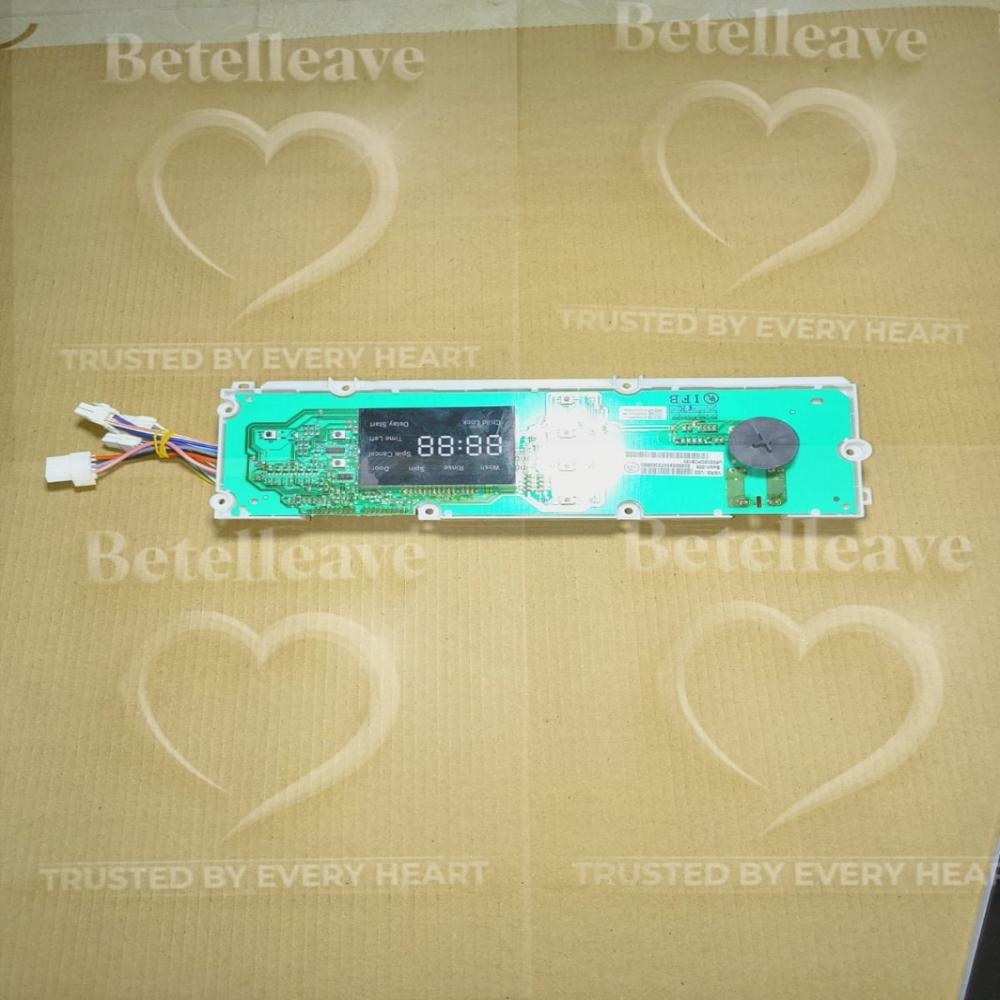
- User Interface Handling:
Communicates with buttons, knobs, and digital display panel.
Key Components:
- Microcontroller (main IC)
- Relays and triacs (for motor & pump control)
- Capacitors and resistors
- Sensor connectors (water level, temperature)
- Power supply section
Powerful Control and AutomationExperience seamless automation with the WHIRLPOOL Washing Machine PCB Board, which efficiently manages all functions of top or front-loading washing machines. Engineered for reliability, it integrates both digital and analog signal processing for precise operation, ensuring every washing cycle runs smoothly and effectively.
High Compatibility and Easy MountingDesigned to fit a wide range of Whirlpool washing machines, this PCB board supports both screw and slot mounting options. It connects effortlessly via multi-pin sockets and headers, and provides connectivity for LED or LCD display panels, making it adaptable for various models and configurations.
Enhanced Protection and Quality AssuranceSafety comes first with built-in overcurrent, overvoltage, and short-circuit protection. Each board undergoes 100% functional testing to guarantee peak performance. Its durable design withstands up to 90% RH humidity and temperatures from 0C to 50C, ensuring longevity and dependability.
FAQ's of WHIRLPOOL WASHING MACHINE PCB BOARD:
Q: How do I determine if this PCB board is compatible with my Whirlpool washing machine?
A: This PCB board is specifically designed for Whirlpool top or front loading washing machines with capacities ranging from 5 kg to 10 kg. Check your model's specifications and ensure it supports multi-pin socket connections, LED/LCD display panels, and a power supply of 220V before installation.
Q: What is the process for mounting the PCB board inside the washing machine?
A: The board supports both screw and slot mounting methods. Simply locate the control panel area in your washing machine, align the PCB board as per the mounting slots or holes, and secure it with screws provided. Make sure to connect all multi-pin sockets firmly before powering up the appliance.
Q: When should the PCB board be replaced or upgraded?
A: Replace the PCB board if your washing machine experiences erratic operation, doesn't respond to controls, or displays frequent error codes related to automation. For improved features or firmware upgrades, service technicians can update the board via the dedicated service port.
Q: What benefits does this PCB board offer for washing machine operation?
A: This PCB board automates control functions, offers variable speed support up to 1200 RPM, and ensures reliable digital and analog signal processing. Built-in protection features significantly reduce the risk of electrical damage, leading to enhanced reliability and longevity of your washing machine.
Q: Where can I source or purchase the WHIRLPOOL Washing Machine PCB Board?
A: The PCB board is available through service providers, suppliers, traders, and wholesalers catering to washing machine components. OEM support for bulk orders or customization is also available for business customers.
Q: How does the board handle power fluctuations and moisture exposure?
A: The board incorporates overcurrent, overvoltage, and short-circuit protection to safeguard against electrical anomalies. It is constructed to operate efficiently in humidity levels up to 90% RH (non-condensing) and temperatures ranging from 0C to 50C.





 Send Inquiry


 Send Inquiry
 Send Inquiry
 Send SMS
 Call Me Free